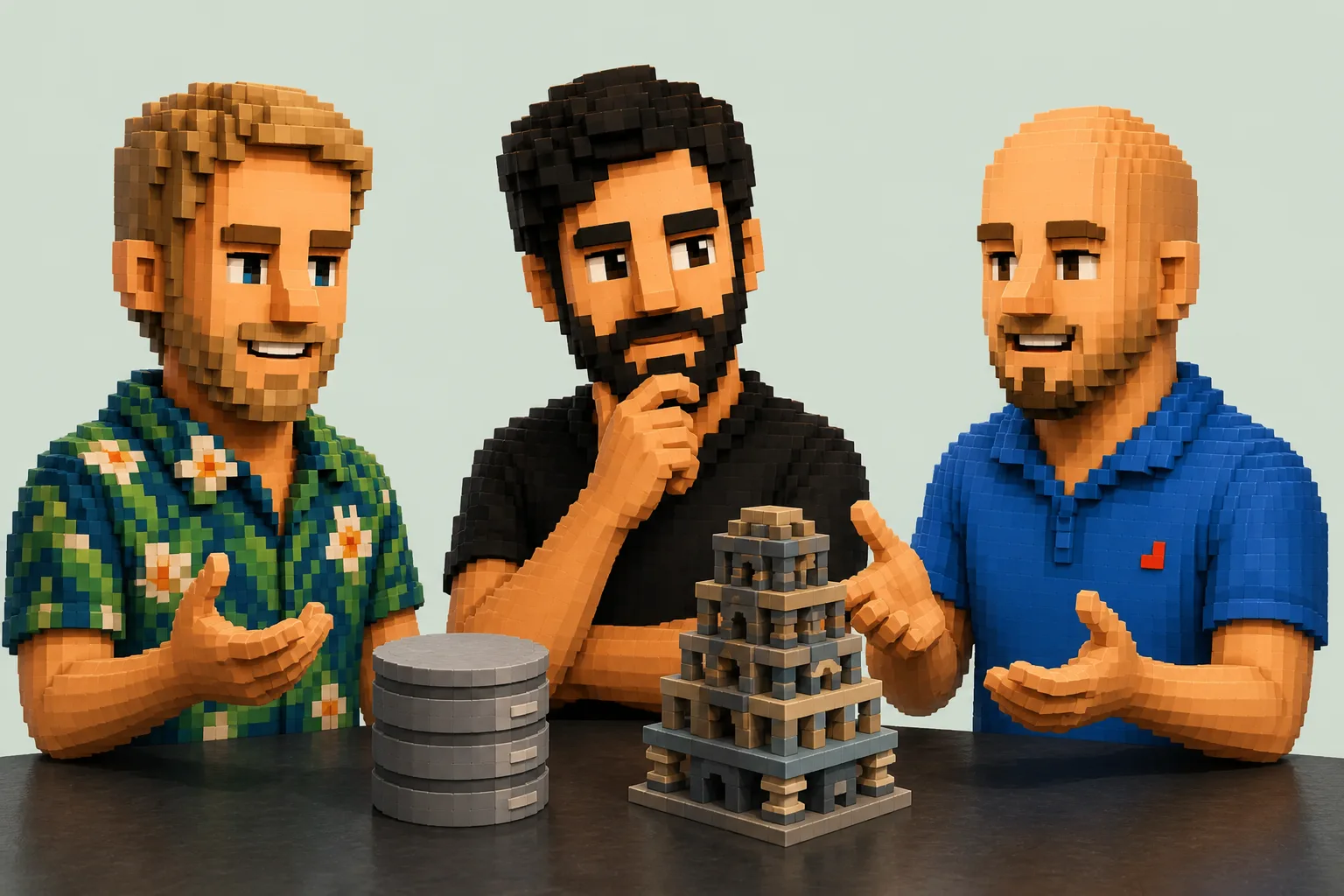
An Agent Harness Controls Context, Tools and Feedback
A coding harness controls which files an agent can inspect, which commands it can run and which results return to the model.


 Andy David + Pete Winn + dpc
Developed from a conversation between Andy David, Pete Winn and dpc
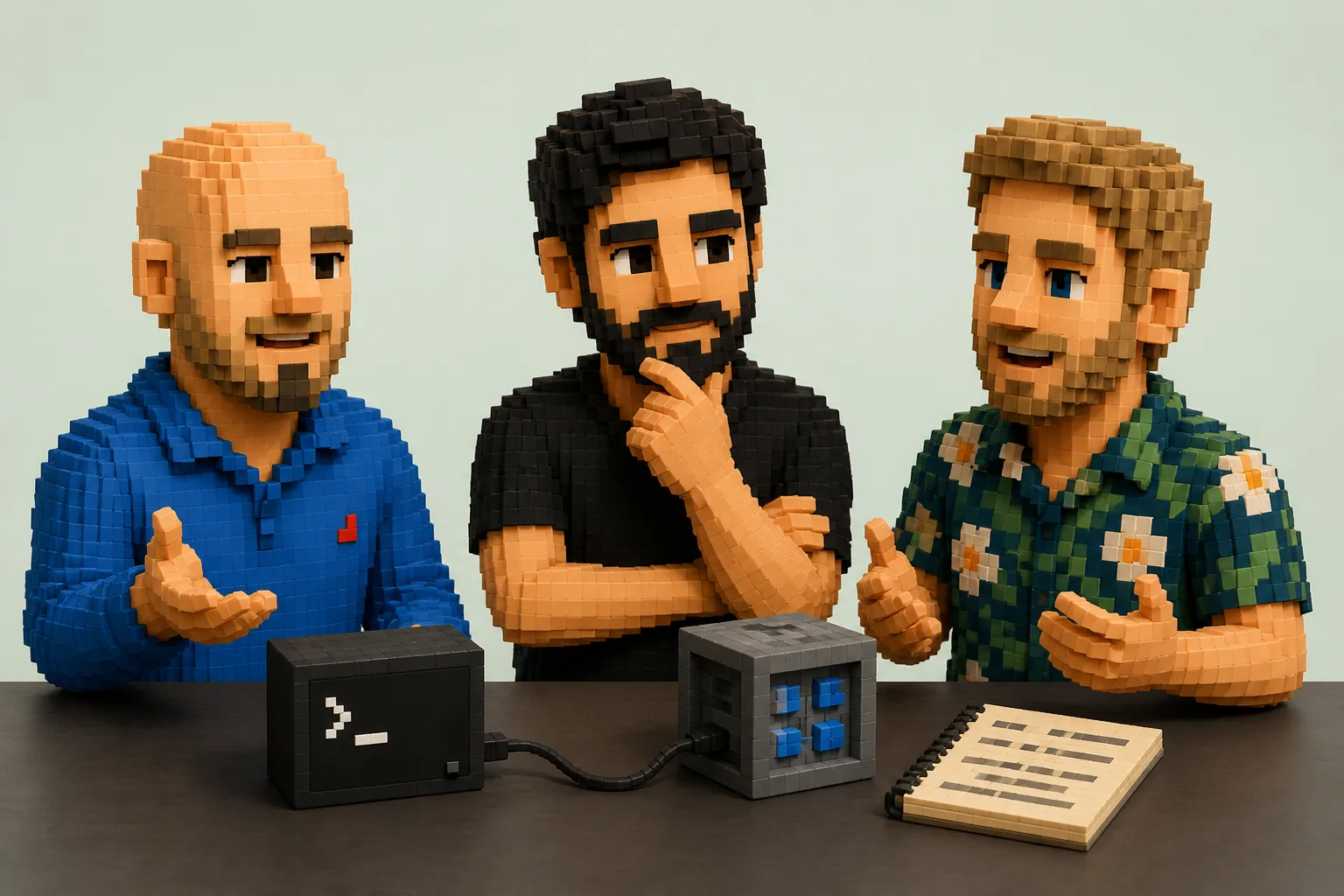
A coding model becomes useful as an agent when its runtime allows it to inspect files, run commands, modify a project and respond to the output. The model supplies reasoning and generation, and the harness decides which repository files enter the prompt, which tools are available and how each command shapes the next model call.
The harness described in Episode 64 treats each tool as a separate process that communicates through a lightweight protocol. A shell, virtual machine or remote host appears to the agent through the same interface, so an SSH command prefix can move an extension onto another machine and preserve the same tool call. An event log gives every tool and extension a shared record of prompts, commands and responses.
This design keeps the harness inspectable and adaptable by exposing its prompts and tool calls. Specifications, repository instructions and design records can steer the model, and its trained habits shape how it interprets them. The harness controls the execution environment and the feedback returned after each command, leaving architectural and product judgement with the developer directing the agent.